Exploring the Function of a Litigation Lawyer: When Should You Hire One?
Understanding the function of a litigation lawyer is crucial for people navigating legal difficulties. These specialists navigate complicated legal matters, ranging from contract disagreements to bodily injury claims. Their proficiency can significantly impact the resolution of a case. However, individuals often ask when exactly to obtain their guidance. Examining the details of their responsibilities and the legal dispute process provides important understanding that could define one's perspective regarding legal disputes.
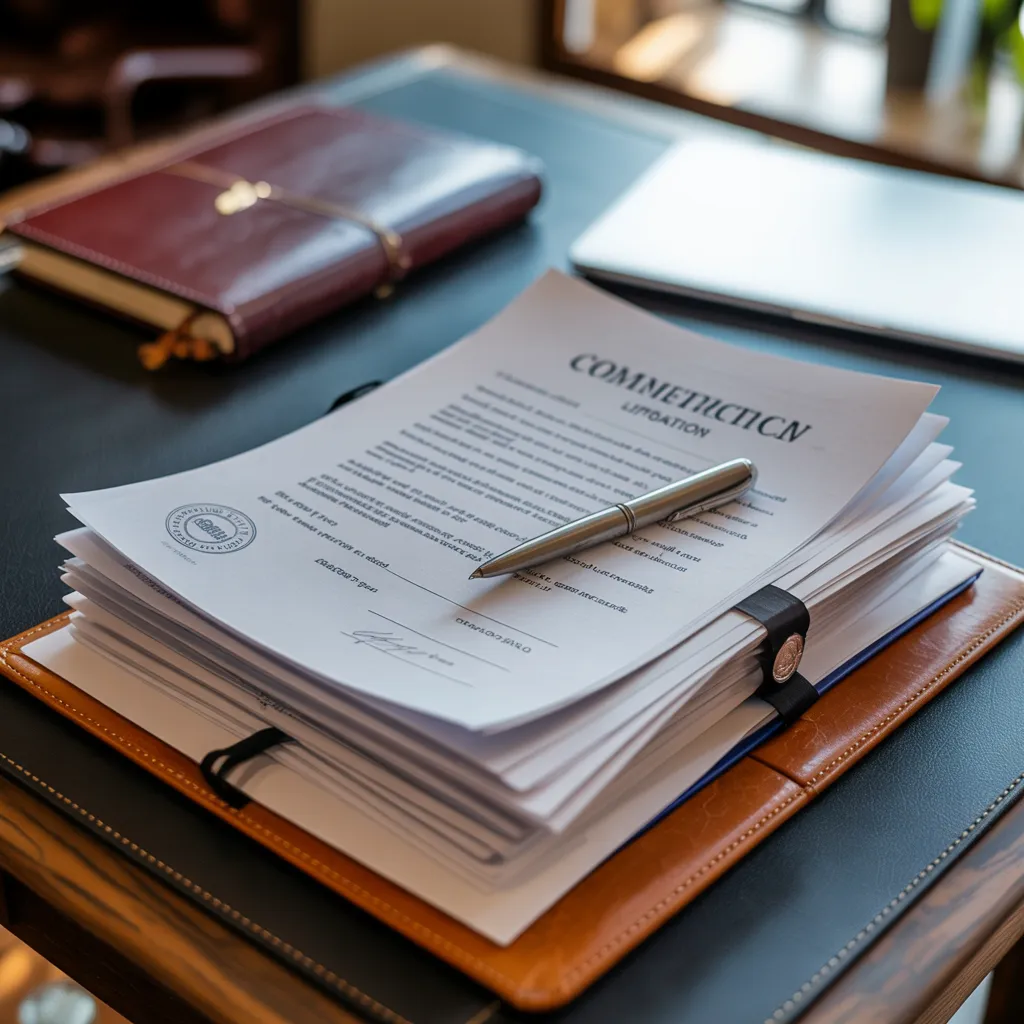
What Is a Litigation Lawyer and What Do They Do?
A trial attorney, also known as a litigation specialist, specializes in representing clients in legal matters that might escalate to courtroom litigation. These professionals skillfully handle complex legal frameworks to champion their clients' interests. Their responsibilities include a wide range of duties, including carrying out detailed legal research, drafting legal documents, and developing effective plans for trial preparation.
Litigation attorneys regularly conduct dispute resolution discussions, aiming to settle conflicts without going to trial. They advocate for clients in a wide range of legal matters, including personal injury, business disputes, and family law. In addition, they gather evidence, interview witnesses, and prepare persuasive arguments to present during trials.
Effective litigation lawyers possess impressive communication and critical thinking skills, empowering them to think strategically and act decisively in demanding circumstances. Their knowledge not only helps clients comprehend their legal entitlements but also offers vital support throughout every stage of the litigation process, ensuring informed decision-making.
The Litigation Process Outlined
The litigation process consists of several key stages designed to guide all parties through the resolution of disputes in a legal context. Comprehending these key phases, along with common litigation strategies employed by lawyers, is crucial for managing the complexities of legal proceedings. This overview will clarify how each stage contributes to the broader litigation landscape.
Key Stages Of Litigation
Litigation unfolds through a defined set of steps, each essential to the resolution of legal disputes. Initially, the process begins with pleadings, where both sides submit paperwork detailing their positions and arguments. This is followed by the discovery phase, a phase where both sides gather evidence through formal inquiries, sworn statements, and document exchanges. Pre-trial motions may occur next, allowing parties to request rulings from the court on specific issues. Should the matter advance, it advances to the trial stage, where testimony is heard and a judgment is issued. After the trial, motions may still be filed, challenging possible mistakes or seeking to alter the judgment. Ultimately, when required, the party that did not prevail may challenge the ruling, seeking a review of the trial court's decision. Every phase serves a critical purpose in reaching a conclusion.
Common Litigation Strategies
While maneuvering the challenges of legal disputes, parties often employ various litigation strategies to bolster their stances. These strategies can include comprehensive research and discovery, which helps reveal critical evidence to support claims or defenses. Additionally, parties may pursue pre-trial motions to challenge unsubstantiated claims or to compel the opposing side to produce documents. Mediation and settlement talks are also prevalent, allowing parties to address conflicts constructively and potentially reduce legal expenses. Moreover, skilled trial presentation, including persuasive arguments and impactful witness testimonies, plays a crucial part in influencing a jury's decision. Ultimately, the preferred course of action depends on the unique circumstances of the case and the intended result, guided by the proficiency of a skilled litigation counsel.
Common Legal Cases That Demand the Services of a Litigation Attorney
When confronted with challenging conflicts that fail to be addressed through discussion, people and organizations often find themselves in need of a litigation attorney. Common scenarios that necessitate such legal expertise involve contractual conflicts, where parties disagree on terms and conditions, causing potential monetary harm. Workplace-related matters, like unjust firing or workplace discrimination, often necessitate legal proceedings to guarantee fair treatment. In addition, bodily harm claims, where individuals seek compensation for damages due to negligence, often involve legal action against responsible parties. Beyond that, property-related disagreements, like deed complications or tenant-landlord disagreements, commonly demand court proceedings. Intellectual property misappropriation, such as trademark or copyright violations, represents another domain requiring an attorney's involvement. Under these circumstances, professional legal counsel is vital to manage the intricacies of the legal process and advocate effectively for the client's rights and interests.
The Benefits of Hiring a Litigation Lawyer
Navigating the challenges of litigation matters often demands professional assistance, making the recruitment of related information a legal advocate a sound decision. These professionals bring focused skills and background that can substantially influence the outcome of a legal matter. Their knowledge of legal procedures guarantees that all essential paperwork are submitted properly and in a timely manner, limiting the chance of process mistakes that could compromise a claimant's case.
Moreover, litigation lawyers are expert negotiators who can argue effectively for their clients, whether in settlement negotiations or courtroom settings. Their ability to examine the facts and construct persuasive cases is crucial in establishing a solid legal foundation. Moreover, having a litigation lawyer can alleviate the stress associated with court proceedings, freeing clients to attend to other important matters. Ultimately, the expertise and support provided by litigation lawyers can increase the probability of a successful conclusion, making them indispensable partners in legal battles.
How to Find the Right Litigation Lawyer for Your Needs
Choosing the right litigation lawyer can considerably affect the result of a case. Initially, potential clients should evaluate the lawyer's background in the specific area of law pertaining to their case, whether it be corporate, personal injury, or another domain. A lawyer's track record with comparable cases can reveal their capabilities.
Furthermore, potential clients should assess the legal professional's approach to communication and accessibility. Effective communication is vital for understanding the legal process and ensuring that all concerns are addressed promptly.
Moreover, it is prudent to reflect on the attorney's status within the legal field. Client testimonials and professional referrals can present meaningful guidance.
Finally, talking about costs beforehand is important to eliminate potential disputes afterward. By considering these elements carefully, individuals can make an informed decision, eventually choosing a litigation lawyer who suits their particular requirements and aims.

What to Anticipate During Your Initial Consultation With a Litigation Lawyer?
Throughout the opening consultation with a litigation lawyer, clients are expected to present a detailed overview of their case. This meeting also serves as an opportunity to discuss the structure of legal fees and any potential costs involved. Understanding these elements is essential for clients to navigate the legal process effectively.
Constructing Your Case Overview
Navigating the preliminary meeting with a litigation attorney can be a pivotal step in setting up a case. During this appointment, clients need to present a clear and concise overview of their circumstances. This includes information regarding the events leading to the dispute, key dates, and any relevant documents. The legal counsel will likely ask probing questions to develop a deeper understanding of the matter. It is important for clients to be honest and transparent about all details, as this helps the lawyer evaluate the merits and challenges of the case. Additionally, clients should be ready to outline their aims and intended outcomes, ensuring that both parties are aligned on the overall legal approach going forward.
Understanding Legal Fees Structure
Understanding the fee structure for legal services is essential for clients seeking advice from a litigation lawyer for the first time. During the initial consultation, clients can anticipate a comprehensive explanation of the range of fee options, which may include hourly rates, flat fees, or contingency fees. The legal professional should detail what is included in the representation and any additional costs that may come up, such as expert witness fees or court filing costs. Clients are advised to ask inquiries about payment schedules and any required retainer fees. Clarity throughout this dialogue helps foster a trusting relationship and confirms clients are knowledgeable regarding their financial responsibilities. At the close of the day, comprehending the cost arrangement allows clients to arrive at educated choices about their representation in legal matters.
Commonly Asked Questions
How Much Do You Usually Pay to Hire a Litigation Lawyer?
Engaging a litigation lawyer typically costs between $200 to $500 per hour, influenced by the attorney's experience and location. Some lawyers may present flat-rate fees or contingency-based arrangements, particularly for specific cases, which can significantly impact overall costs.
Am I Able to Represent Myself in a Litigation Case?
Absolutely, someone can represent themselves in a litigation case, commonly called "pro se" representation. Nonetheless, navigating through complex legal matters without the help of a professional may lead to adverse results, making engaging an attorney often advisable for successful representation.
What Are the Risks of Not Hiring a Litigation Lawyer?
Not hiring a litigation lawyer poses significant risks, including inadequate legal knowledge, procedural missteps, poorly constructed arguments, and potential loss of the case. Individuals may struggle to navigate complexities, ultimately jeopardizing their chances of a favorable outcome.
How Long Does a Litigation Case Usually Take?
A litigation case typically takes several months to a few years, influenced by complexity, court scheduling, and how open each party is to negotiation. Elements including the collection of evidence and courtroom preparation can also significantly affect how long the process takes.
What Should I Prepare for My First Appointment With an Attorney?
For the first meeting with a lawyer, individuals should bring key paperwork, like contracts, correspondence, and any evidence related to their case, in addition to a prepared list of questions and a valid form of personal identification.